A test drive is one of the most important parts of buying a used car, yet it’s also one of the most misunderstood.
Most buyers drive around the block, listen to the radio, say “it feels fine,” and move on. That’s how expensive problems get missed.
The good news is you don’t need to be a mechanic to test drive a used car properly. You just need to know
what to pay attention to and when.
Before You Start The Test Drive
Before the car moves, take a moment.
- Make sure the engine is started cold if possible
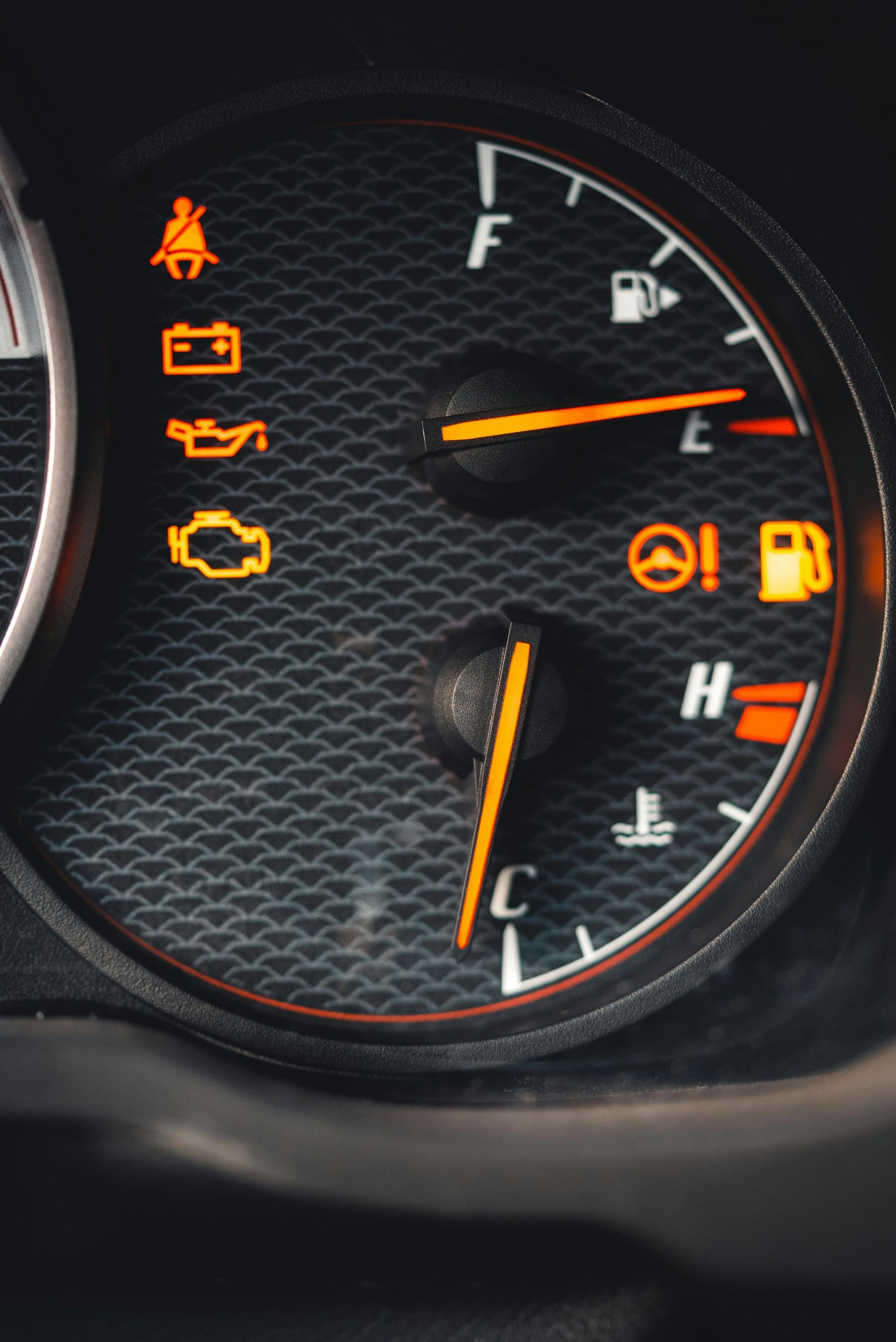
- Watch the dashboard to confirm all warning lights turn off
- Listen for unusual noises at idle
If the seller already has the car warmed up when you arrive, that can be a red flag. Cold starts often reveal issues that disappear once the engine warms.
Pay Attention To Engine Performance
As you drive, focus on how the engine behaves.
- Does it accelerate smoothly?
- Is there hesitation, lag, or surging?
- Does power feel consistent at different speeds?
A healthy engine should feel predictable. Jerking, stumbling, or lack of power often points to fuel, ignition, or sensor problems.
Evaluate The Transmission Carefully
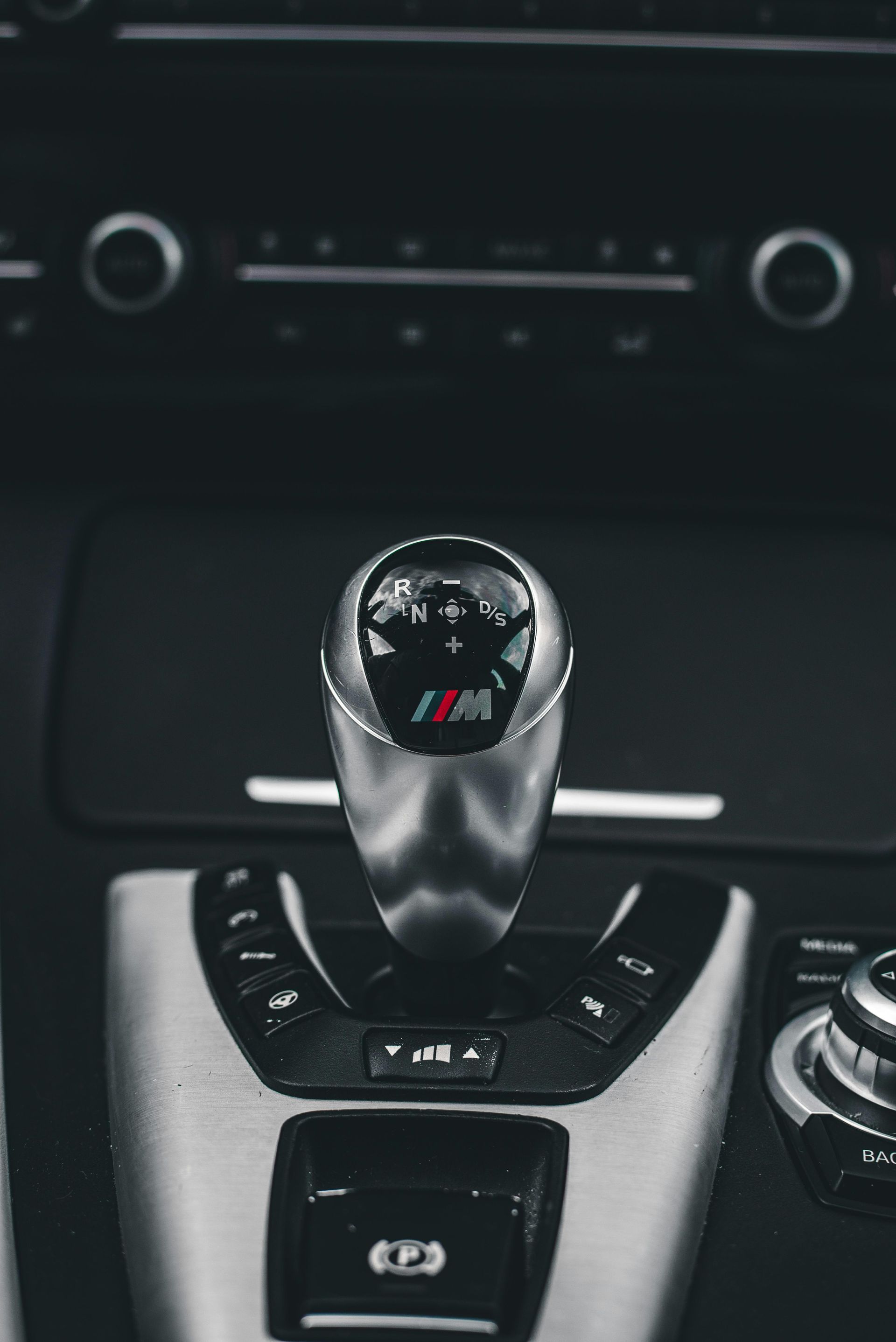
Transmission issues are some of the most expensive problems a used car can have.
During the test drive:
- Pay attention to how the car shifts when cold and when warm
- Look for slipping, delays, or harsh shifts
- Notice any clunking or banging when shifting gears
Many transmission problems only show up after the vehicle has been driven for a while, which is why longer test drives matter.
Check Steering And Suspension
Find a safe road where you can make gentle turns and go over small bumps.
Watch for:
- Loose or vague steering
- The steering wheel not returning to center
- Clunking, rattling, or knocking over bumps
The car should feel stable and controlled, not floaty or unstable.
Test The Brakes Properly
Brakes tell you a lot about a car’s condition.
During the drive:
- Apply the brakes at low and moderate speeds
- The pedal should feel firm, not soft or spongy
- The car should stop smoothly without shaking
If the steering wheel shakes when braking, it could mean warped rotors or suspension issues.
Drive At Highway Speed If Possible
If you can, take the car on the highway.
At higher speeds, listen and feel for:
- Vibrations in the steering wheel or seat
- Drivetrain noises like humming or whining
- Engine stability at steady speeds
Highway driving reveals problems that city driving often hides.
Listen More Than You Talk
Turn off the radio. Open a window if needed.
Unusual sounds are important clues:
- Whining
- Grinding
- Clicking
- Knocking
If you hear something and can’t explain it, don’t ignore it.
Recheck After The Test Drive
This step is often skipped and is critical.
After driving:
- Look under the car for fresh fluid leaks
- Open the hood and check for burning smells
- See if any warning lights turned on
- Listen to how the engine idles when warm
Some problems only appear after the vehicle is fully warmed up.
Trust Your Instincts
If something feels off, it usually is.
A test drive isn’t about convincing yourself the car is good. It’s about observing how it behaves and deciding if you’re comfortable owning it.
There will always be another car.
Final Thought
A proper test drive gives you information, not pressure.
When you slow down, pay attention, and recheck after driving, you dramatically reduce the risk of buying a bad used car.
Inspect before you invest.