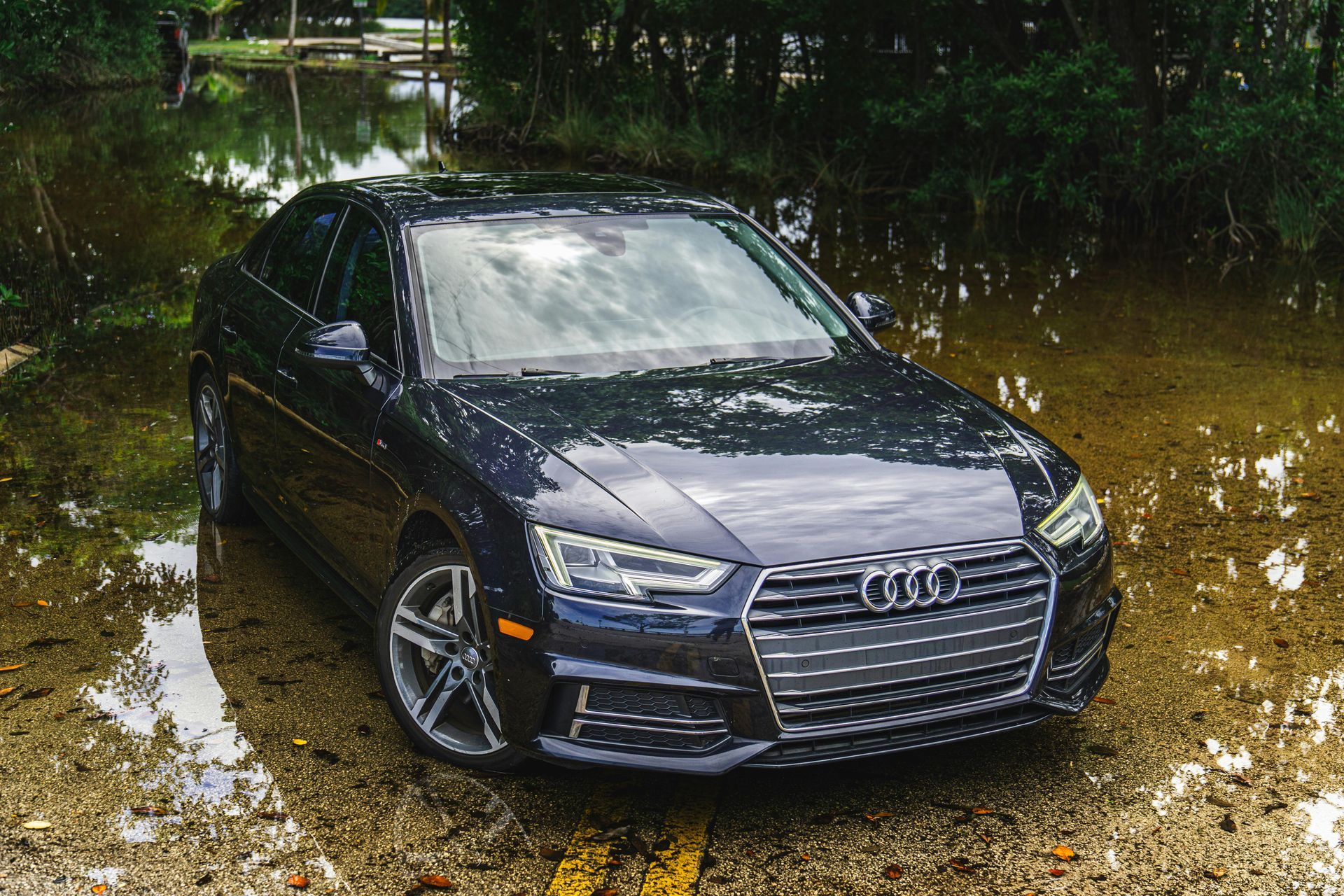
Flood-damaged vehicles are one of the biggest hidden risks in the used car market.
And the scary part?
Many flood-damaged cars look completely normal.
Water damage can cause long-term electrical failures, corrosion, mold growth, and expensive repair issues that show up months after you buy the car.
Here’s how to spot flood damage before it becomes your problem.
Why Flood Damage Is So Risky
Water doesn’t just damage visible surfaces.
It seeps into:
- Electrical connectors
- Wiring harnesses
- Control modules
- Sensors
- Carpet padding
- Seat frames
Even if the car runs fine today, corrosion can slowly cause failures later.
Flood damage is often progressive.
Step 1: Check The Trunk And Spare Tire Well
This is one of the best places to look.
Open the trunk and remove the floor panel.
Look for:
- Rust on bare metal
- Mud residue
- Sand or debris
- Water lines
- Damp smell
Water often settles in the lowest part of the vehicle — the spare tire well.
If metal looks recently cleaned or painted, ask why.
Step 2: Smell The Interior Carefully
Flood damage often leaves behind:
- Musty odors
- Mold smell
- Heavy air fresheners masking smells
If the vehicle smells unusually strong of deodorizer, it could be hiding something.
Trust your nose.
Step 3: Check Under Carpets And Floor Mats
Lift the floor mats and feel the carpet.
Look for:
- Dampness
- Stains
- Rust on seat bolts
- Corrosion under seats
Even small rust spots inside the cabin can indicate past water intrusion.
Step 4: Inspect Electrical Behavior
Flood-damaged cars often show subtle electrical issues like:
- Flickering lights
- Malfunctioning power windows
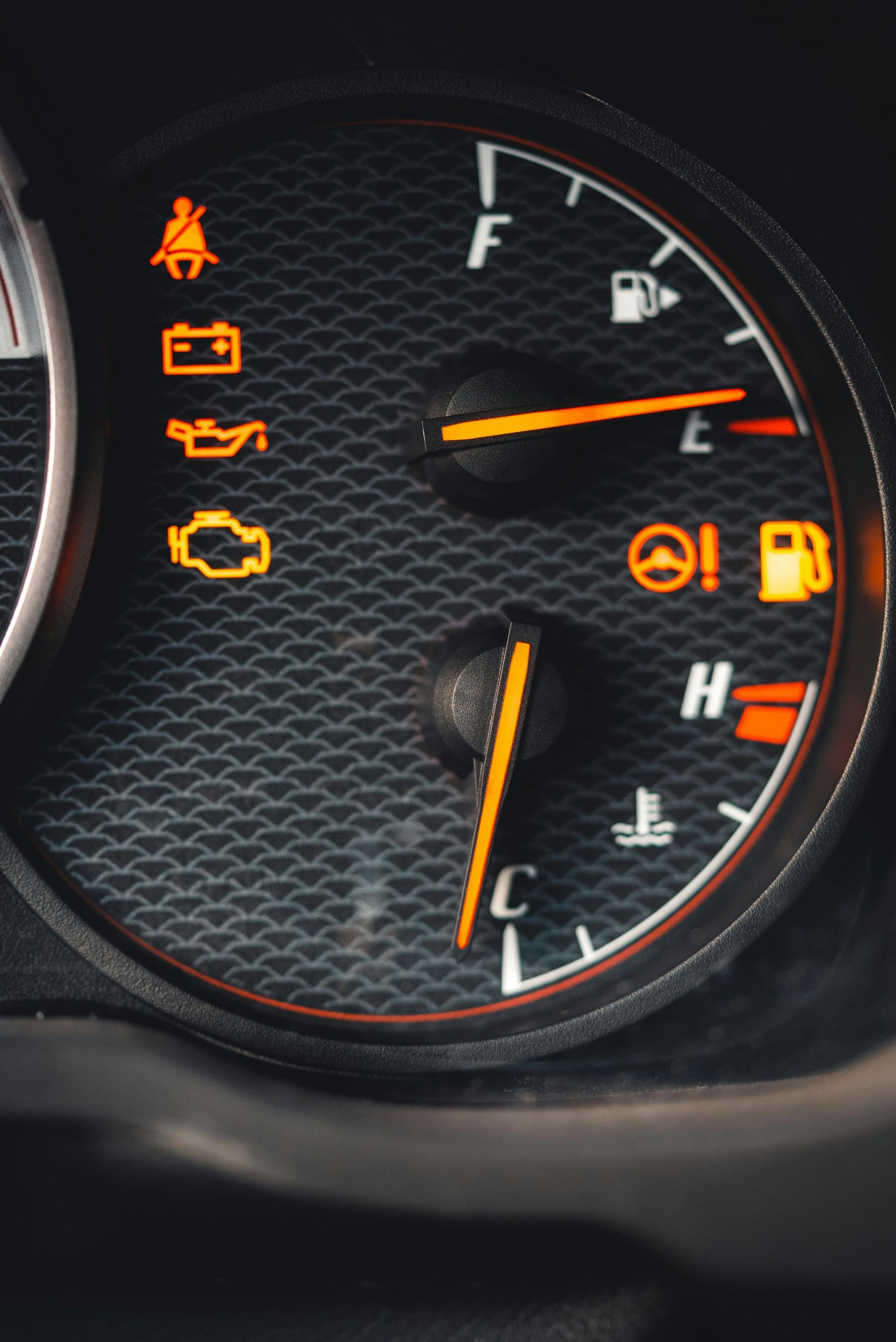
- Random warning lights
- Faulty infotainment systems
- Intermittent sensor errors
These may not appear immediately, but inconsistencies are a warning sign.
Step 5: Review The Vehicle’s Location History
Vehicles that lived in flood-prone areas carry higher risk.
Common high-risk regions include:
- Coastal states
- Hurricane zones
- Areas prone to heavy seasonal flooding
Location alone does not prove flood damage.
But it tells you where to inspect more carefully.
Step 6: Look For Corrosion Under The Hood
Open the hood and inspect:
- Electrical connectors
- Battery terminals
- Fuse boxes
- Bare metal surfaces
Excess corrosion in unusual areas can indicate past water exposure.
Step 7: Watch For Title Branding
Some flood-damaged vehicles receive:
- Flood titles
- Salvage titles
- Rebuilt titles
However, not all flood-damaged vehicles are properly branded.
Never rely only on the title.
Why Flood Damage Often Goes Undetected
Many flood vehicles:
- Are cleaned quickly
- Dried and detailed
- Sold through auctions
- Moved to different states
By the time they hit the market, they may look perfectly normal.
Only a careful inspection reveals the truth.
When To Walk Away
You should strongly reconsider if:
- You find water lines or interior rust
- The seller avoids questions about past flooding
- The car has unexplained electrical issues
- Multiple warning signs appear together
Flood damage repairs are often unpredictable and expensive.
Final Thought
A flood-damaged car may look clean, drive fine, and have a reasonable price.
But water leaves traces.
If you know where to look, you dramatically reduce your risk.
Inspect before you invest.