Buying your first used car can feel overwhelming.
There are listings everywhere.
Prices vary wildly.
Sellers say different things.
And you don’t want to make an expensive mistake.
The good news is this: buying a used car safely isn’t complicated. It just requires a clear process.
Here’s everything you need to know as a first-time used car buyer.
Step 1: Decide What You Actually Need
Before looking at listings, ask yourself:
- Do I need space or just basic transportation?
- Is fuel efficiency important?
- Is low maintenance cost my top priority?
- What is my realistic budget?
Don’t shop emotionally. Shop intentionally.
Reliable, simple vehicles are usually better for first-time buyers than flashy, complex ones.
Step 2: Set A Realistic Budget
Your budget should include more than the purchase price.
Factor in:
- Sales tax
- Registration fees
- Insurance
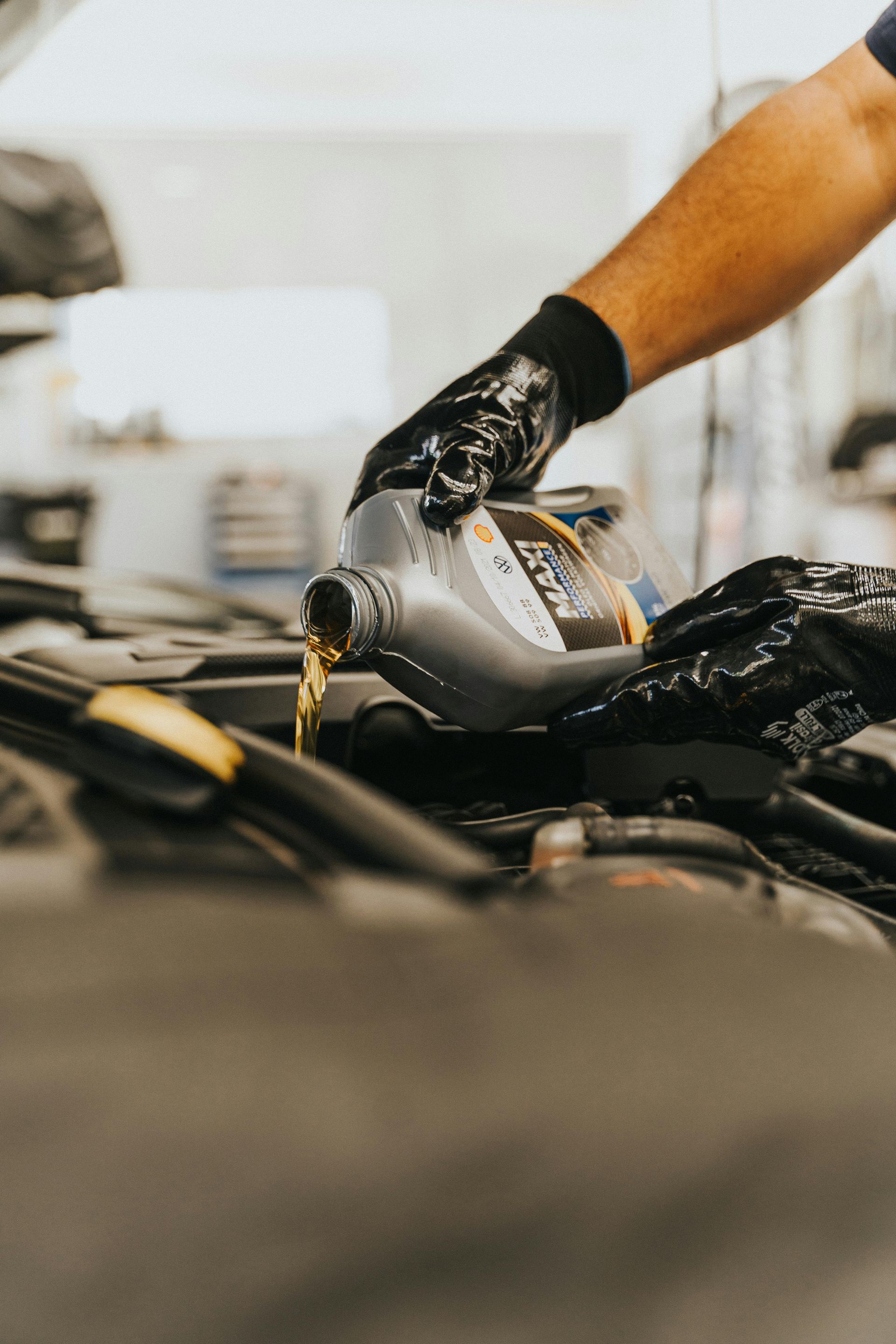
- Immediate maintenance (oil change, filters, etc.)
A $10,000 car can easily become $11,000–$12,000 once everything is included.
Plan ahead.
Step 3: Research Reliable Models
As a first-time buyer, prioritize:
- Proven reliability
- Affordable parts
- Simple mechanical systems
- Strong maintenance history
Vehicles known for long-term durability are usually safer than luxury brands or heavily modified cars.
Reliability should matter more than status.
Step 4: Review The Vehicle History
Before seeing the car, check:
- Title status (clean, salvage, rebuilt)
- Accident history
- Ownership history
- Maintenance records
Remember: a clean history report is helpful, but it does not guarantee the car is problem-free.
Step 5: Perform A Proper Inspection
You don’t need to be a mechanic, but you must inspect the vehicle.
Always:
- Walk around the car and look for mismatched paint or uneven panels
- Check for rust, water damage, and fluid leaks
- Look under the hood
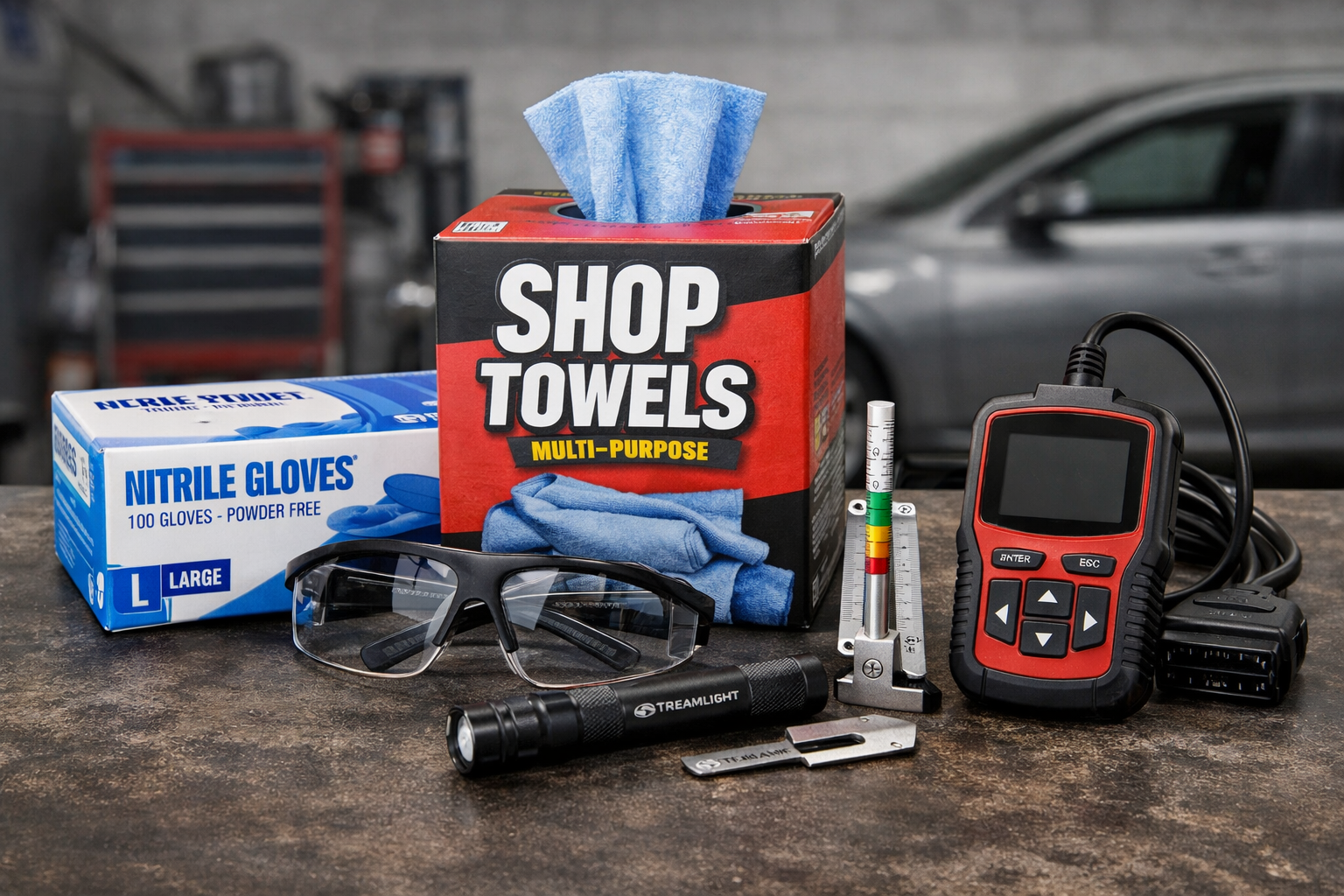
- Scan the vehicle for trouble codes
- Test drive it properly
Skipping inspection is where most first-time buyers go wrong.
Step 6: Take A Real Test Drive
Don’t just drive around the block.
During the test drive:
- Accelerate at different speeds
- Listen for strange noises
- Test the brakes
- Drive long enough for the vehicle to warm up
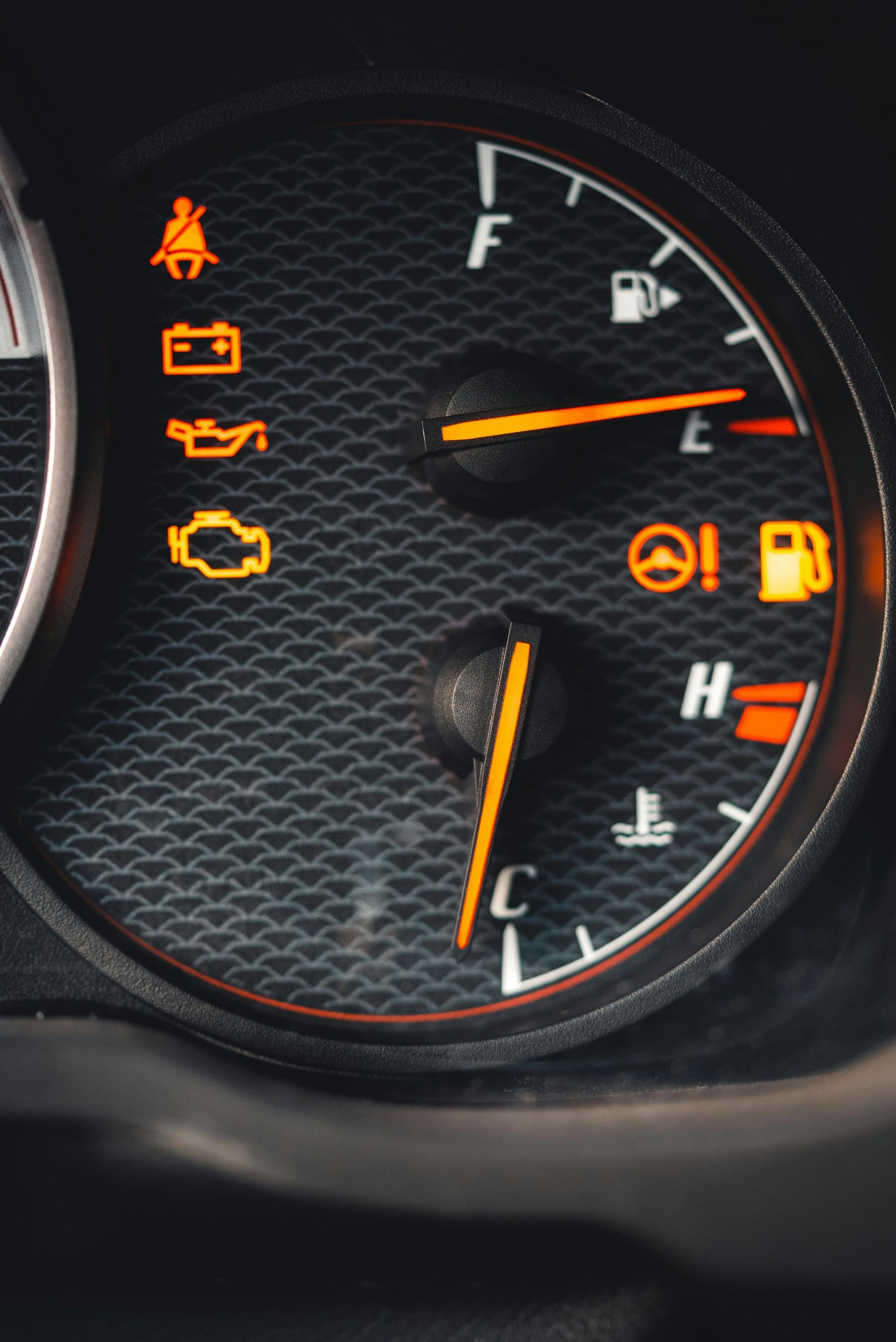
After driving, recheck for leaks or warning lights.
Many issues only appear once the car is hot.
Step 7: Don’t Rush The Decision
Sellers may say:
- “Someone else is coming to see it.”
- “This deal won’t last.”
Urgency increases risk.
A good car today will still be a good car tomorrow.
If something feels off, walk away.
Step 8: Understand Your Three Options
After inspection, you have three valid outcomes:
Walking away from a bad car is a smart decision.
The goal isn’t to buy quickly.
It’s to buy wisely.
Common First-Time Buyer Mistakes
Avoid:
- Falling in love with the first car you see
- Ignoring small red flags
- Overpaying because you’re tired of searching
- Buying under pressure
- Skipping the inspection process
Patience protects your wallet.
Final Thought
Buying your first used car doesn’t have to feel stressful.
When you follow a clear process, ask the right questions, and inspect before committing, you reduce uncertainty and increase confidence.
You don’t need to be an expert.
You just need a plan.
Inspect before you invest.