Buying a used car out of state can expand your options, lower your purchase price, and help you find the exact model you want.
It can also dramatically increase your risk if you don’t approach it carefully.
When you’re not physically present, you lose the biggest advantage in used car buying: inspection control.
Here’s how to reduce risk when buying a used car from another state.
Why Buyers Look Out Of State
Common reasons include:
- Better pricing in another region
- Rare trims or specific configurations
- Lower mileage examples
- Rust-free cars from warmer climates
These are valid reasons. But distance changes the buying equation.
The Biggest Risk: Buying Sight Unseen
Photos can hide:
- Paint mismatch
- Panel alignment issues
- Rust
- Fluid leaks
- Interior smells
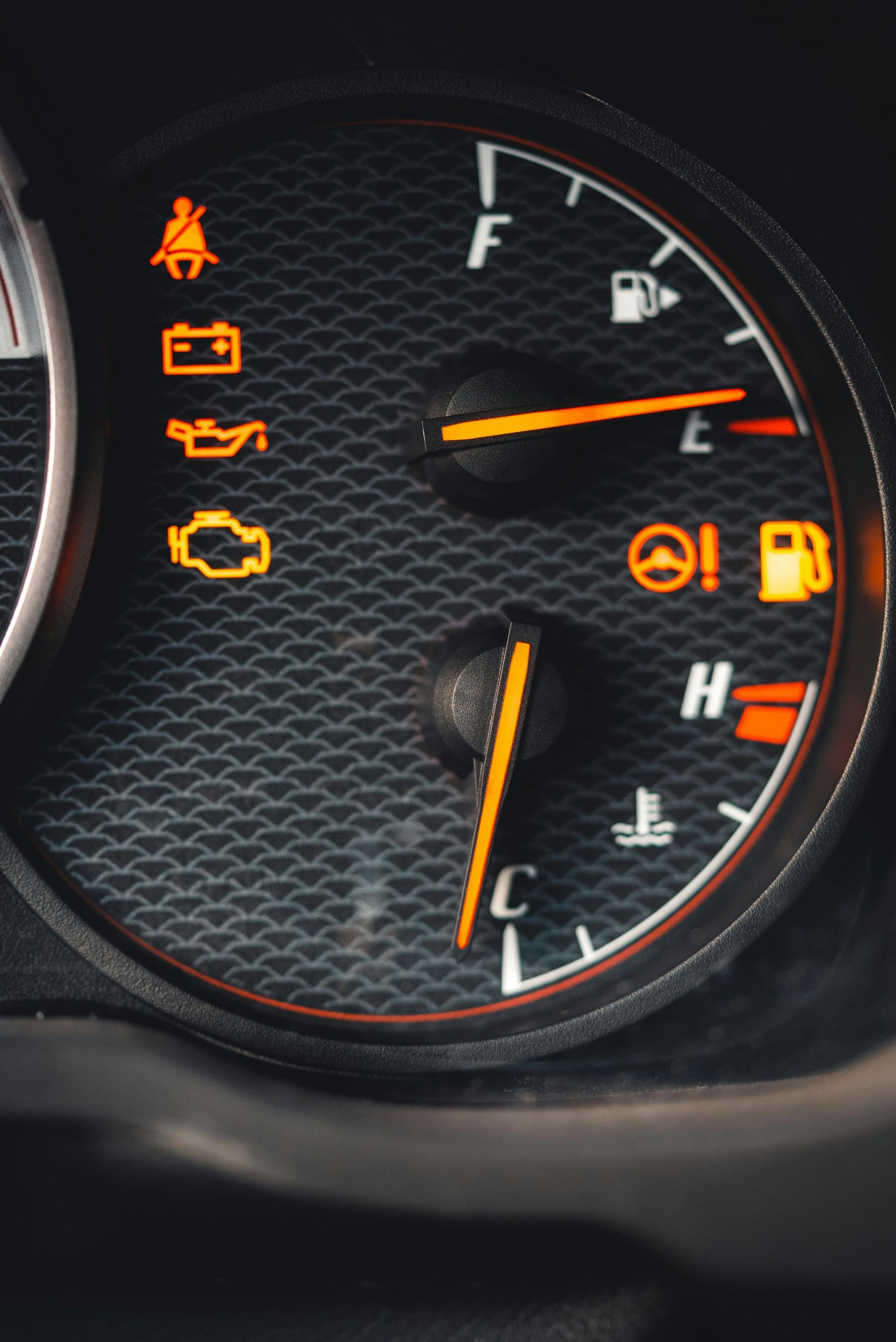
- Warning lights
And sellers can unintentionally or intentionally miss important details.
Without seeing and driving the car yourself, you’re relying on limited information.
Step 1: Research The Region
Where the vehicle lived matters.
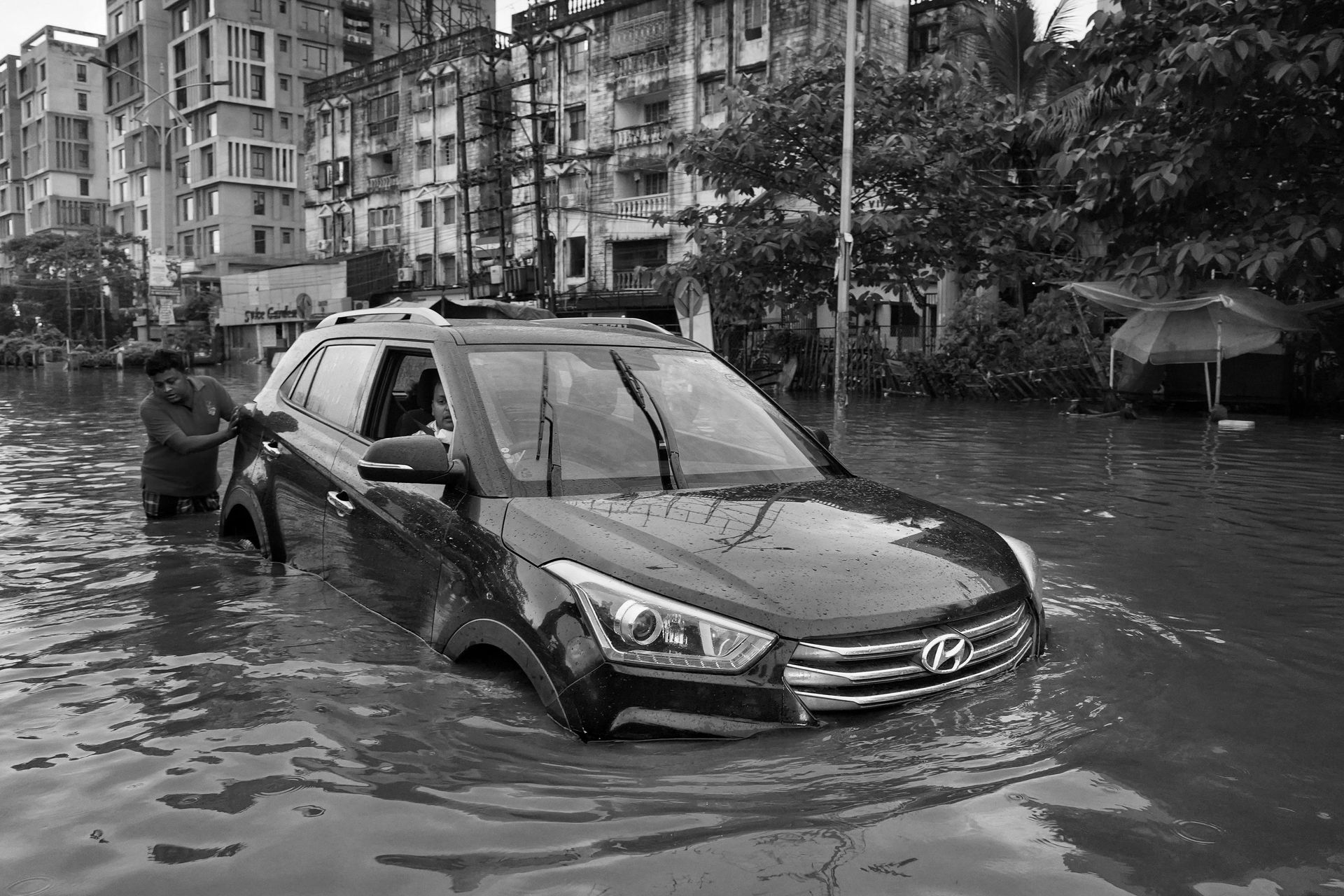
Flood-prone regions may increase water damage risk.
Salt-heavy winter states may increase rust risk.
Hot climates may stress cooling systems and interiors.
Location history is not proof of damage.
But it tells you where to inspect more carefully.
Step 2: Review The Vehicle History Thoroughly
Look for:
- Consistent maintenance
- Ownership type (rental, fleet, personal)
- Title status
- Accident records
Remember: not all incidents are reported.
History reports are a starting point, not a conclusion.
Step 3: Get A Professional Inspection (Highly Recommended)
When buying remotely, a third-party inspection becomes far more important.
A proper inspection should include:
- Structural review
- Undercarriage condition
- Fluid checks
- Diagnostic scan
- Test drive evaluation
This is not optional when buying sight unseen. It’s protection.
Step 4: Ask For Cold Start Video
Request a video of:
- Cold engine startup
- Dashboard lights before and after starting
- Engine idle
- Exhaust
- Walkaround
Cold starts often reveal issues that disappear once the vehicle warms up.
Step 5: Clarify Return Policies
If buying from a dealership, ask:
- Is there a return window?
- Are there transport conditions?
- What happens if damage is discovered upon arrival?
Private sellers rarely offer protection, so inspection is critical.
Step 6: Plan For Transport Carefully
Factor in:
- Shipping cost
- Delivery time
- Insurance during transport
- Inspection timing before final payment
A “great deal” can shrink quickly once transport costs are added.
When Buying Out Of State Makes Sense
- The vehicle is rare
- The savings significantly offset shipping
- You’ve had a full inspection
- You’re patient and not rushed
If urgency enters the equation, risk increases.
When You Should Reconsider
Avoid remote purchases if:
- Seller refuses inspection
- Information feels incomplete
- Title status is unclear
- Multiple red flags appear
- You feel pressured
Distance magnifies uncertainty.
Final Thought
Buying a used car out of state can be smart.
It can also be expensive if done blindly.
The further the car is from you, the stronger your process needs to be.
Inspect before you invest — especially when you can’t see the car in person.